
Gas Furnace or Heat Pump for a Minnesota Winter?
September 30, 2026 · Anderson Burner Heating & Cooling
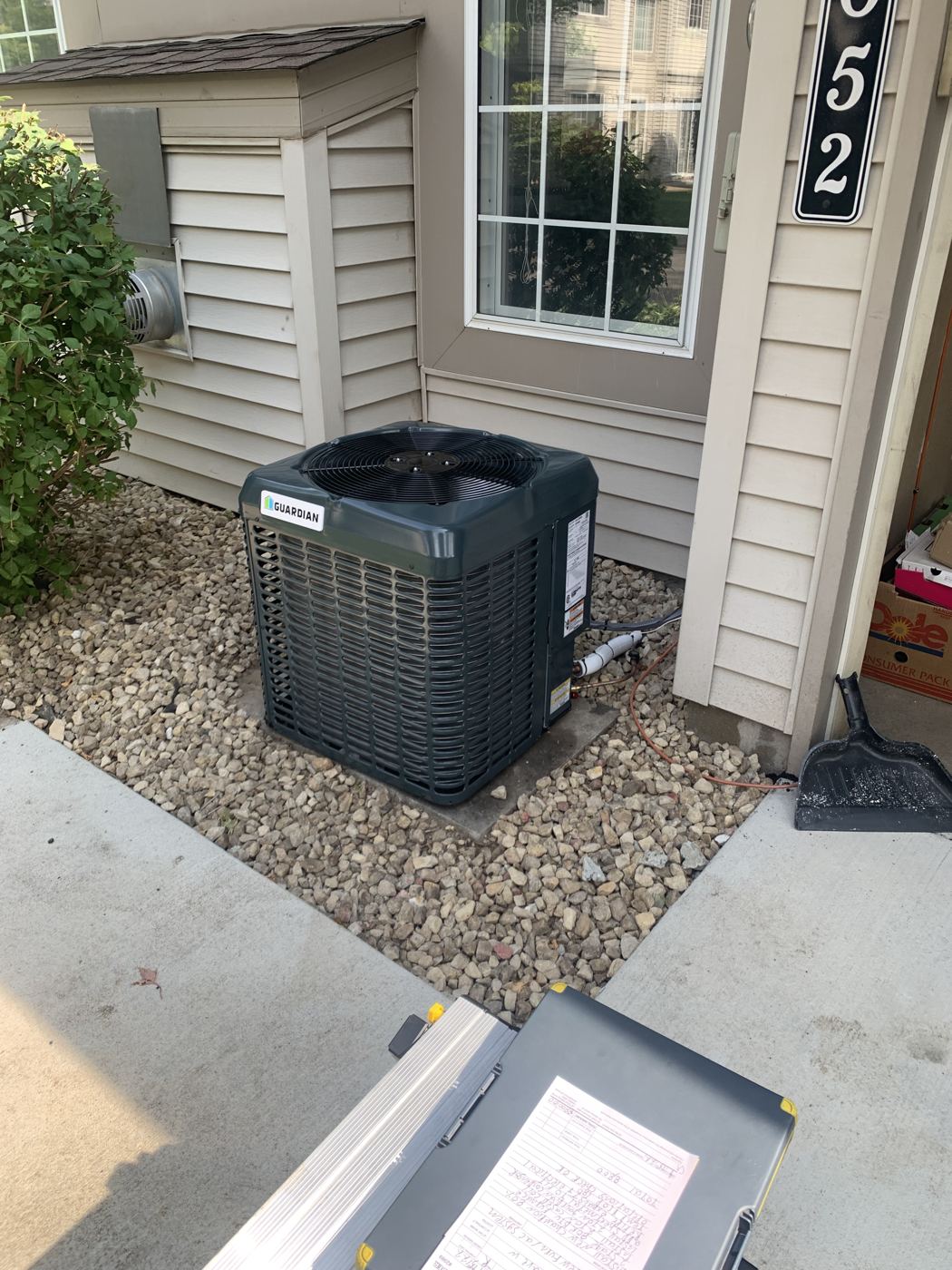
We get this question a lot now: should I put in a heat pump instead of a furnace? The honest answer is that it depends on your house, your fuel and how cold it gets where you live. In the North Metro, it gets very cold. Here's how we think about it.
How each one heats
A furnace burns fuel (natural gas, propane or oil) and blows the warm air through your ducts. It puts out the same strong heat whether it's 30 degrees outside or 20 below.
Heat pumps don't burn anything. They move heat from the outside air into your home, the same way your AC moves heat out in summer. That makes them very efficient in mild weather. The tradeoff is that as the outdoor temperature drops, there's less heat to pull from the air, so a heat pump has to work harder.
What cold-climate heat pumps changed
Older heat pumps struggled once temperatures fell much below freezing. Newer cold-climate models keep producing useful heat at far lower temperatures than the units people remember from 15 or 20 years ago. They can carry a well-insulated home through a lot of a Minnesota winter.
The stretch that still matters is the deep cold, those weeks in January and February when it's below zero for days. That's where most North Metro homes still want a backup.
What about operating cost?
There isn't one answer here, because it depends on what you pay for electricity and what you pay for your heating fuel. In mild weather, a heat pump moves several units of heat for each unit of electricity it uses, which is why it can be so cheap to run in fall and spring. As it gets colder, that advantage shrinks.
Compared with propane or fuel oil, a heat pump often comes out ahead for much of the year. Against natural gas, the gap is usually smaller, and the deep-cold weeks can favor the furnace. That's exactly the logic behind dual-fuel systems: let each one run when it's the cheaper option.
Utility rebates and incentives for heat pumps change often, so it's worth checking what's available when you're ready. We'll quote the equipment upfront either way.
Why the answer is often both
A dual-fuel setup pairs a heat pump with a furnace. The heat pump handles heating through fall, spring and milder winter days, and also cools the house in summer. When it gets very cold, the system switches over to the furnace. You get the efficiency of the heat pump most of the year and the strong heat of the furnace when you need it.
For a lot of homes we see, especially ones already replacing an old AC and furnace together, that's the best of both. It's also a good fit for homes on propane, where a heat pump can cut down how much propane you burn.
Where a heat pump alone can make sense
- Additions, three-season rooms and garages, where a ductless mini-split adds heat and cooling without extending ductwork.
- Homes that are newer and well insulated, with a plan for backup heat on the coldest days.
- Homes that already have a boiler, where a mini-split can add cooling and shoulder-season heat.
Where a furnace still makes the most sense
- Older homes that lose a lot of heat, where a heat pump would be undersized in deep cold.
- Homes on natural gas where the main goal is reliable, strong winter heat at a predictable cost.
- When the budget is tight and the existing ductwork and AC are in good shape.
Questions to ask before you decide
What fuel do I have now, and what does it cost me?
Natural gas, propane and fuel oil change the math a lot. Propane and oil homes often see the biggest benefit from adding a heat pump.
Is my AC also near the end of its life?
A heat pump replaces your AC too, so if both are old, pairing a heat pump with a furnace can make more sense than replacing them separately.
How well does my house hold heat?
Drafty homes need more heat on cold nights. We look at the house before recommending anything.
We install heat pumps and mini-splits and furnaces, and we'll tell you honestly which setup fits your home. Rural customers in places like Nowthen on propane or fuel oil often have the most to gain from a dual-fuel system.
Frequently asked questions
Do heat pumps work in Minnesota winters?
Modern cold-climate heat pumps keep heating at much lower temperatures than older models, but most Minnesota homes still pair one with a furnace or other backup heat for the coldest days.
What is a dual-fuel system?
A dual-fuel system pairs a heat pump with a furnace. The heat pump handles mild weather and summer cooling, and the furnace takes over in very cold weather.
Can I add a heat pump to my existing furnace?
Often, yes. If your furnace is in good shape, a heat pump can replace your AC and work alongside it. We'll check whether your furnace and ductwork are a good match.
Does Anderson Burner install heat pumps in the North Metro?
Yes. Anderson Burner installs heat pumps, ductless mini-splits and dual-fuel systems across East Bethel and the North Metro, with free estimates on new installs.
How long does a heat pump install take?
Many installs are finished within a week of saying yes. The exact timing depends on equipment and whether ductwork changes are needed.